Hobby Boards Are Cheap Until They Aren't: A Modem Procurement Checklist for Racks That Must Stay Up
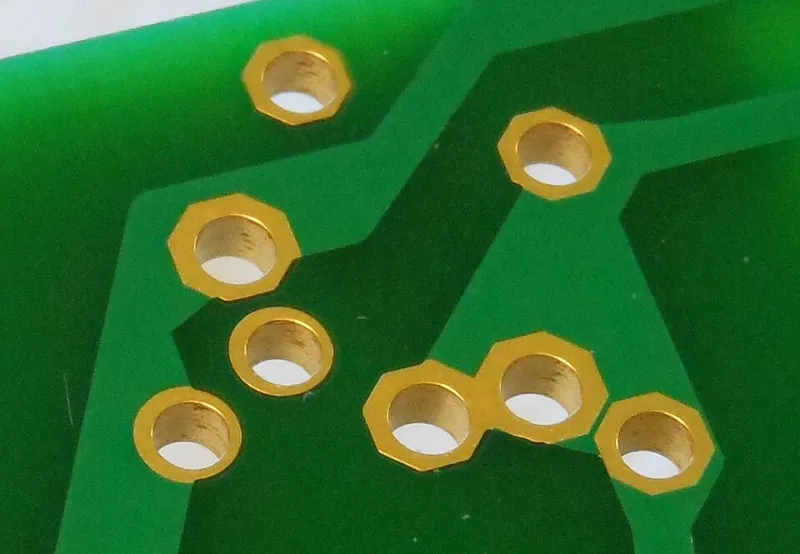
Photo: G1MFG, CC BY-SA 4.0, via Wikimedia Commons
Opinion time: most modem farms are built out of devices that were never meant to run continuously, bought because the price was good and the forum thread was encouraging. That's a fine way to learn. It's a terrible way to run something a client depends on.
The difference between a hobby board and a production modem isn't usually the radio. It's the boring stuff: whether the vendor still ships firmware, whether RMA means anything, whether the thing pulls a stable 2.5 W instead of spiking to 6 W when the ambient hits 88°F. None of that shows up in a spec sheet headline. All of it shows up in your weekends.
Here's the checklist I wish someone had handed me before the first rack.
Firmware: ask for the changelog before you ask for the price
If you cannot find a firmware changelog with dated releases from the last 18 months, stop. That's the whole test. No changelog means either no releases or nobody maintaining the release notes, and both mean you're the QA department now.
Follow-ups worth asking the vendor directly:
- What's the support window for this model — a date, not a phrase?
- Can you downgrade firmware without a vendor-only tool?
- Is the AT command set documented, or do I get a PDF from 2019 and a shrug?
A board you can't roll back is a board that will brick itself during a routine update at the worst possible moment.
Certification is not paperwork, it's leverage
For US deployments, you want to know the FCC ID and whether the module has PTCRB certification for the bands you actually use. This matters less for whether the radio turns on and more for what happens when a carrier asks. A certified module gives your account rep something to point at. An uncertified import gives them a reason to look harder at everything else you do.
Ask for the certification IDs in writing before purchase. If the answer is vague, that's your answer.
Thermal and power: measure, don't trust
Vendor numbers are the best case in still air at room temperature. Real racks are neither.
- Get the idle and peak draw in watts, then multiply peak by your modem count and add 30% headroom on the PSU.
- Check whether the radio backs off at temperature. Some do silently, and then you spend a week debugging 'intermittent registration failures' that are actually thermal throttling.
- Ask whether the board has any thermal pad or heatsink provision, and whether the USB connector is reinforced. A rack with 40 boards hanging off hubs will mechanically stress the connector, and that's a failure mode you'll meet.
RMA terms, read like you mean it
Cheap boards often have RMA terms that are, functionally, 'good luck.' Things to pin down:
- Advance replacement, or do I ship first and wait six weeks?
- What's the DOA window, and does it start at delivery or at first power-on?
- Do I need to keep original packaging for a claim? (Yes, often. Yes, it's annoying. Keep it.)
- Is there a minimum quantity for RMA, or can I send a single unit?
For a 200-SIM rack, losing three boards shouldn't mean a month of degraded capacity. If the RMA path is slow, budget spares explicitly as part of the purchase, not as a surprise later.
Supply stability beats unit price
The single best procurement decision is buying from a line you can rebuy in eight months. A model that disappears and reappears with a different radio inside but the same part number will ruin your documentation, your config templates, and your sanity.
Ask: how long has this exact SKU been shipping, and what's the announced end-of-life date? If there isn't one, assume the vendor just doesn't say. Then buy a spare batch anyway.
The TCO math nobody runs
Rough example, 50-seat rack, three-year horizon:
| Line item | Cheap board | Production board |
|---|---|---|
| Unit price × 50 | $1,500 | $6,000 |
| Spares (10%) | $150 | $600 |
| Engineering hours (quirks, reflashes) | ~120 hrs | ~25 hrs |
| Failure replacements out of pocket | ~$400 | $0 (covered) |
| Downtime incidents | 2–4 | 0–1 |
The $4,500 price gap looks enormous until you price 95 engineering hours at anything resembling a real rate. And that table doesn't count the incident where a flaky board takes a campaign down on a Friday and you spend the evening explaining it.
The one-line version
Buy the board you can get support for, roll back, replace quickly, and rebuy next year. Everything else is a rounding error.